Our Tradition – Vinyasa Krama

What Is Vinyasa Krama?

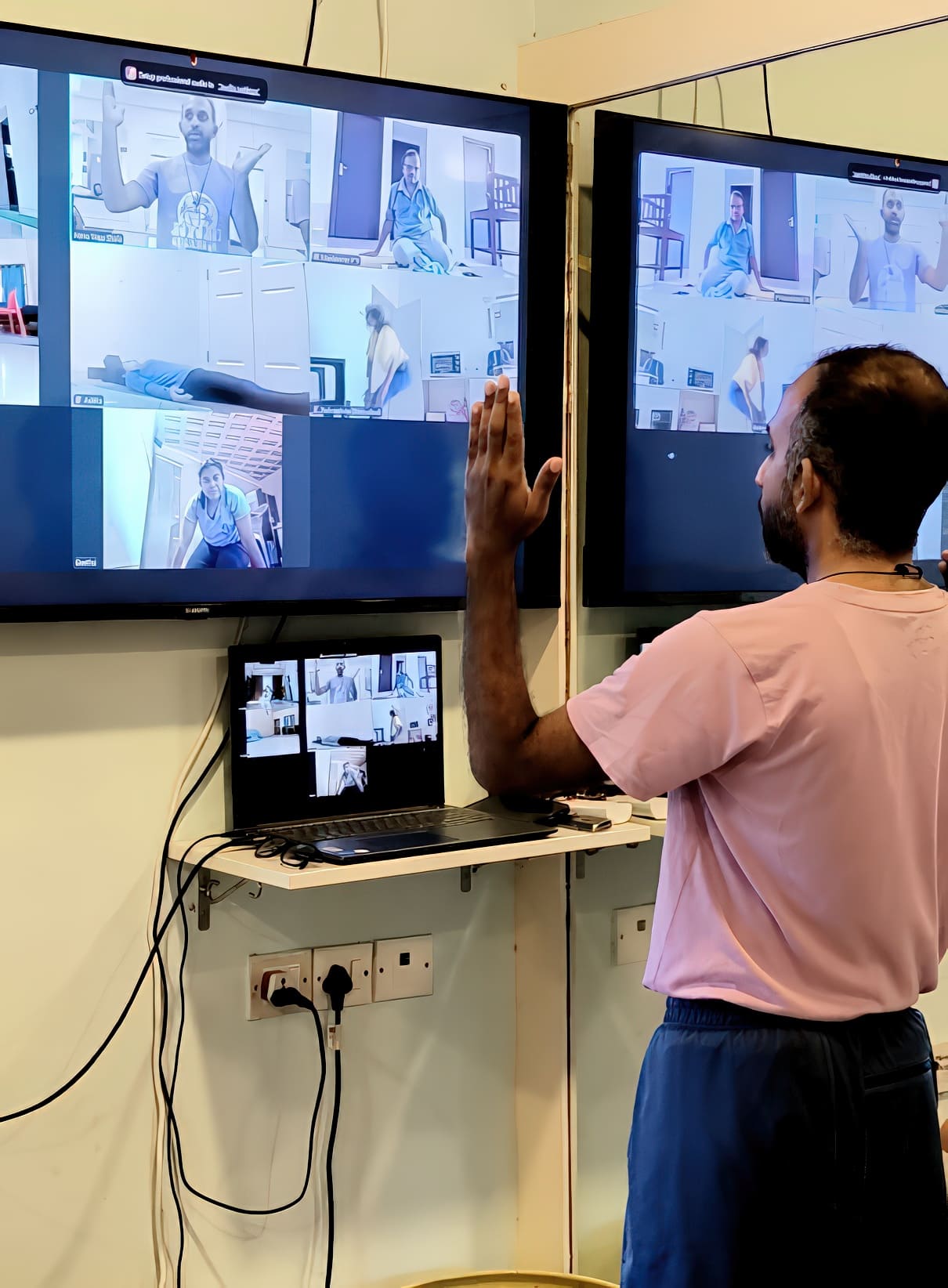
Vinyasa Krama is a systematic and comprehensive method of studying and practicing yoga, developed by Sri T. Krishnamacharya, and now Srivatsa Ramaswami is the torch bearer of this method spreading light everywhere he teaches.

Unlike generic Vinyasa styles, Vinyasa Krama is not about continuous flow or choreography. It is an intelligent, step-by-step approach where movement, breath, and attention are integrated within a clear framework. It has totally 12 sequences with many sub-sequences and each sub-sequence has number of Asanas and each asana has a set of Vinyasa (a particular entry and exit sequence) and every Vinyasa is precisely done either on a Inhale or an Exhale.  Its comprehensive in its entirety but also precise in the practice. 

It emphasises Asana practice through both dynamic movement and static holds, explores Pranayama interwoven with Bandhas, and chants mantras rooted in the Vedic tradition.”

The Role of Breath and Awareness

In Vinyasa Krama, breath is the organizing principle.
Every movement is guided by inhalation and exhalation.

A precise instruction on where to inhale and where to exhale, following the anatomical structure of the human body in each Āsana, is woven through
Brahmanā Kriya - Expansive breath assigned to all movements that opens or expands or draws outward the thoracic cage
Langhana Kriya - Contractive breath assigned to all movements that contract, fold, or draws inward the thoracic cage.
Antar (Inside hold) and Bahya (Outside hold) Kumbhaka based on the stage of individuals asana Practice to dive deeper to understand the subtle functioning of the breath in a particular posture.
Through this integration:

Inverted Posture Sequence (Head stand sub Sequence)

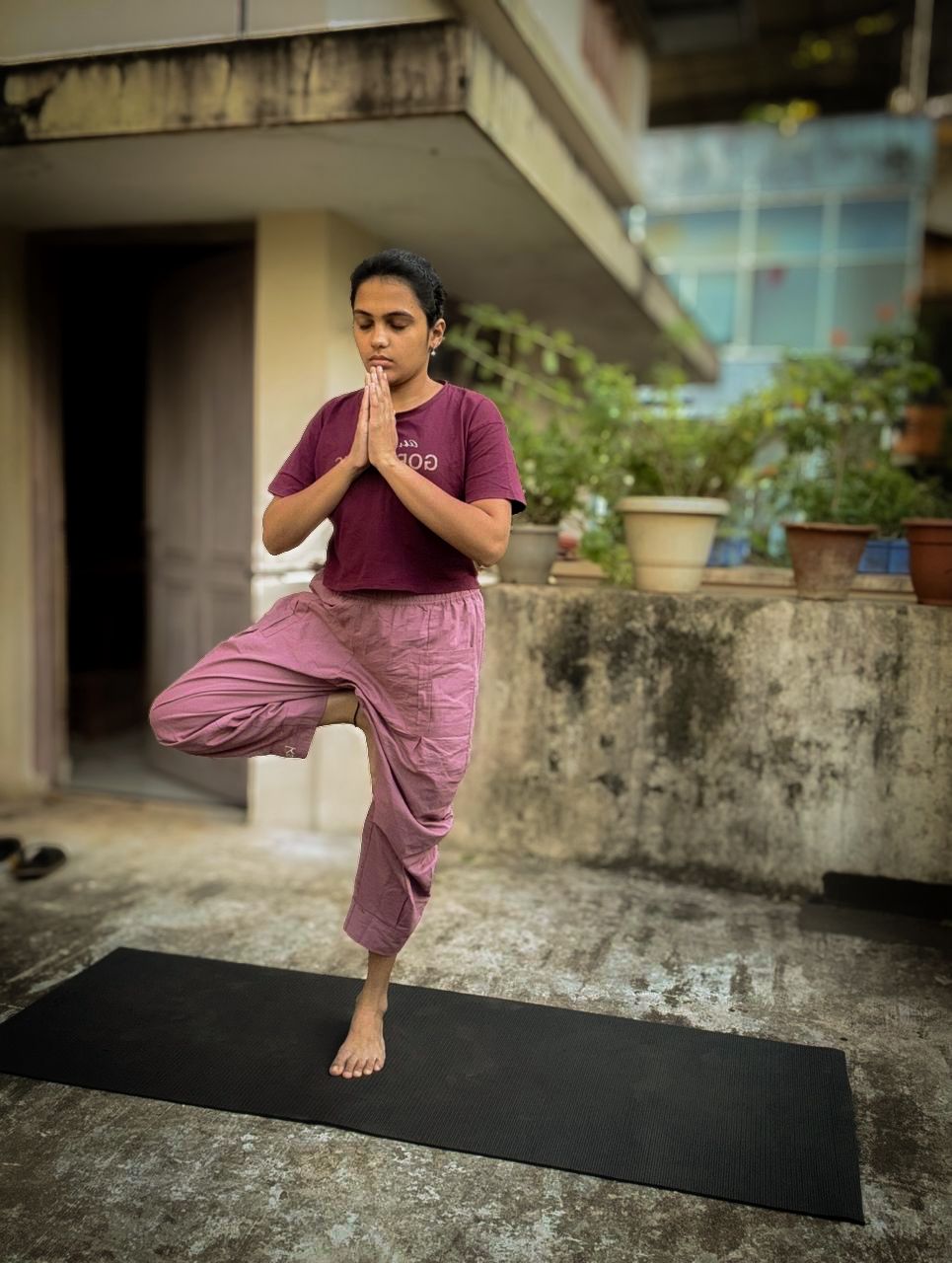
Headstand Pose

(Sirsasana)

One-Legged Contraction Posture

(Ekapada Akuncanasana)

Contraction Posture

(Akuncanasana)

One-Legged Headstand

(Ekapada Sirsasana)

Upward Bound Triangle Pose

(Urdhva Baddha Konasana)

Raised Stick Pose

(Urdhva Dandasana)

Unsupported Headstand

(Niralamba Sirsasana)

Crane Pose

(Bakasana)

A Practice that adapts to the Practitioner

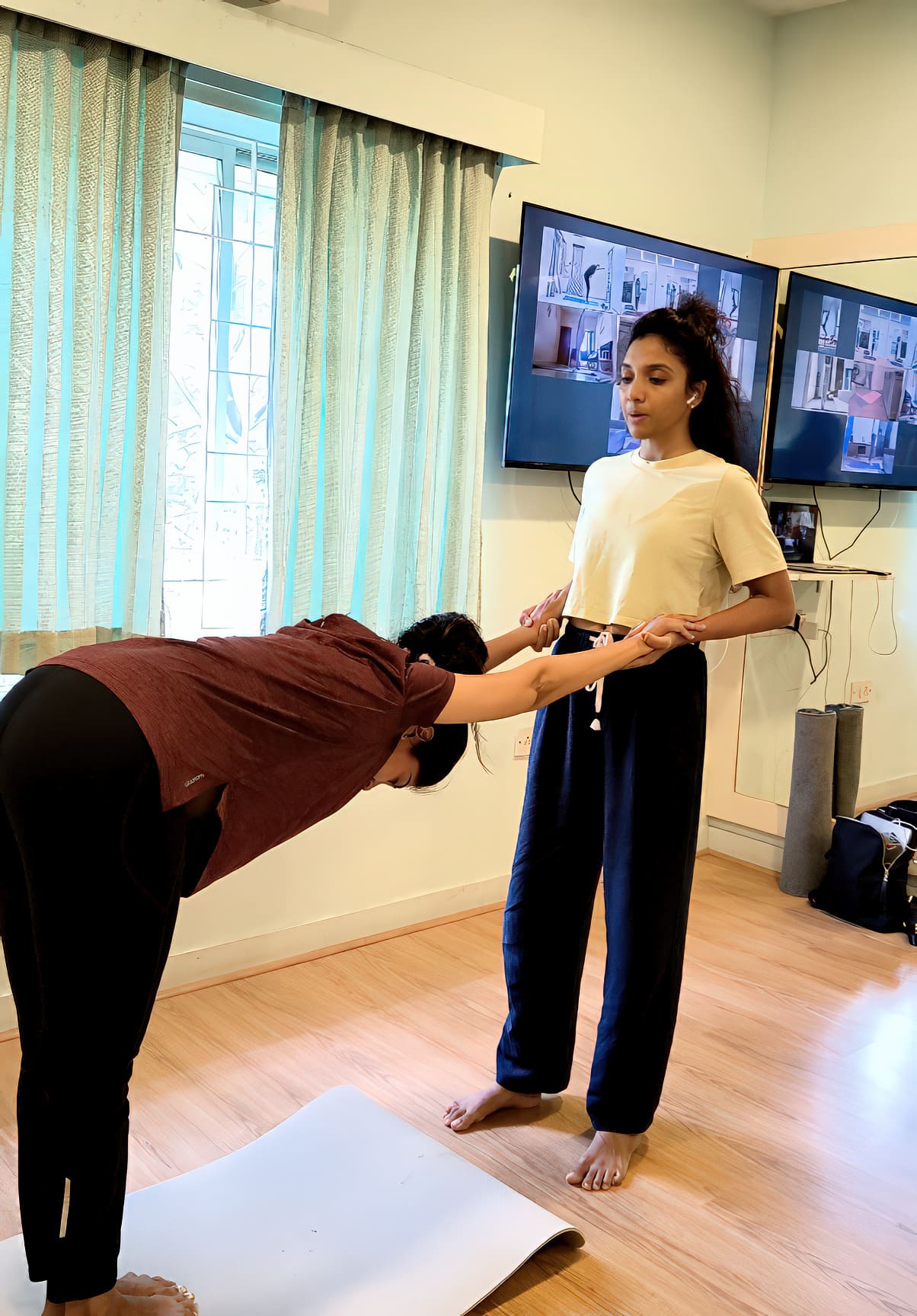
One of the defining features of Vinyasa Krama is its adaptability.

Yoga that is suited for an individual
This makes the practice accessible to:
There is no fixed “ideal form” to achieve. The practice evolves with the practitioner.

An Overview of the Practice

Vinyasa Krama follows the most complete understanding of classical yoga, integrating:
The aim of the practice is inner refinement and self-understanding.

The Lineage Behind the Practice

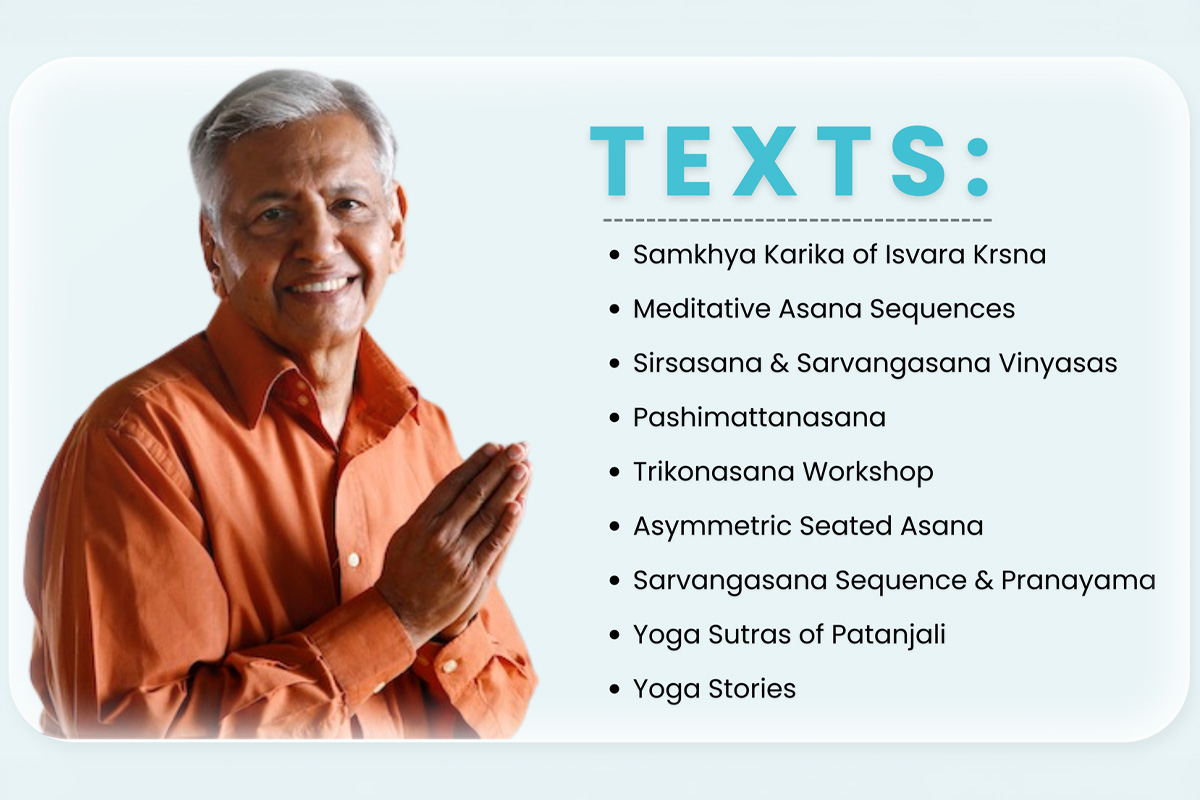
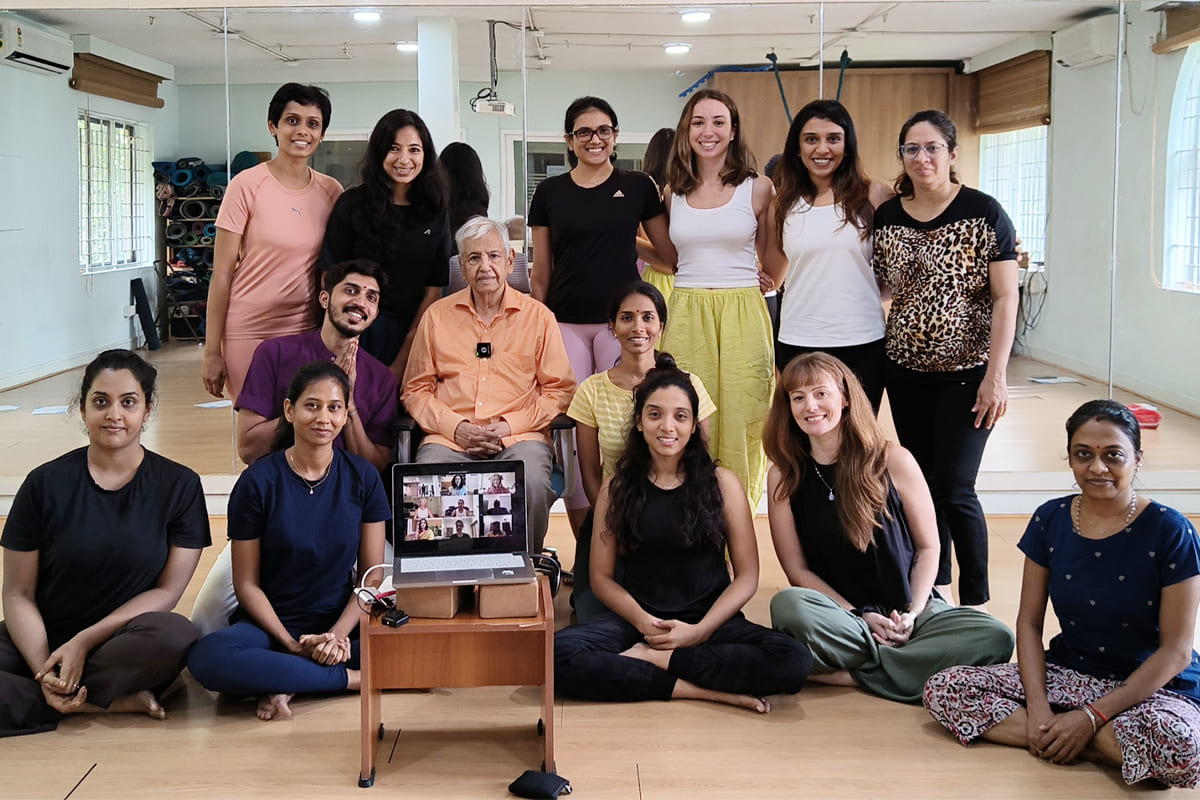
Vinyasa Krama is a classical system of yoga preserved and taught by Srivatsa Ramaswami, a direct student of the legendary yogi T. Krishnamacharya.

In his book, The Complete Book of Vinyasa Yoga, Srivatsa Ramaswami presents a clear and comprehensive approach to yoga practice — one that emphasizes intelligent sequencing, breath awareness, and mindful progression.

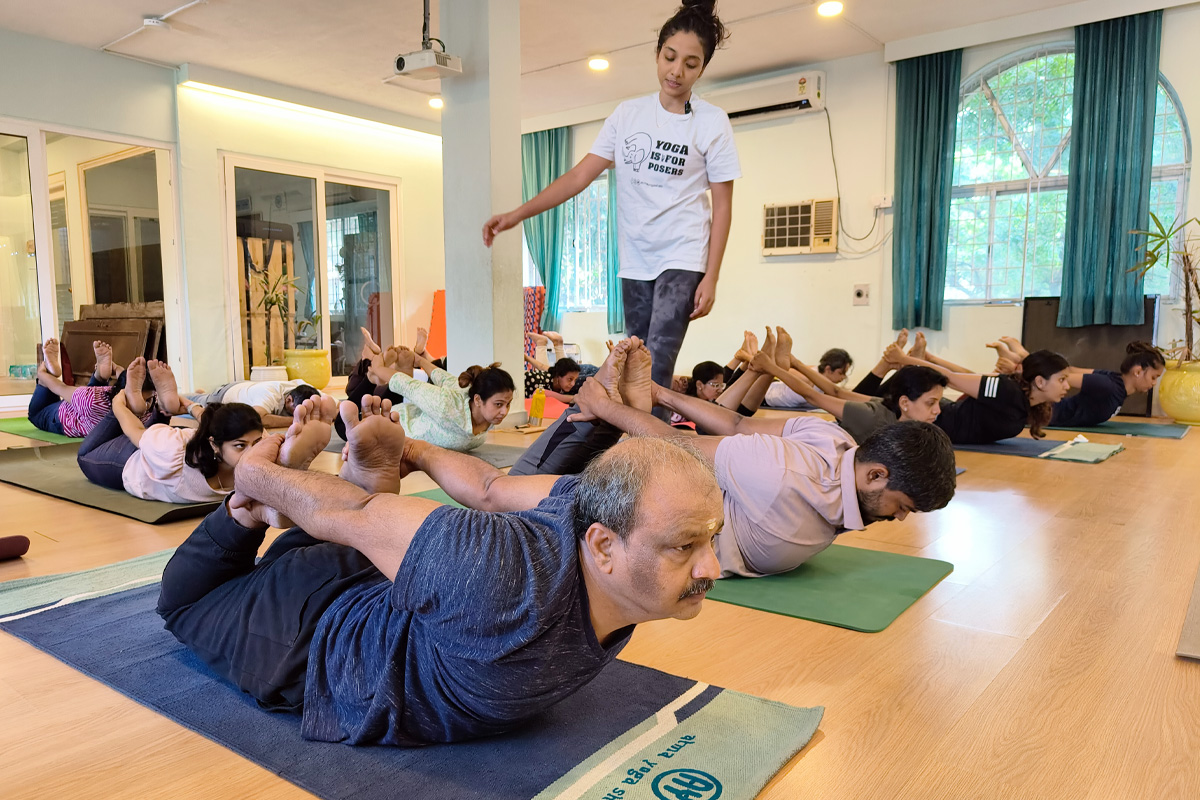
Rather than focusing on external form or performance, this tradition encourages practitioners to understand why and how each movement is performed. Every posture includes variations and transitional movements, allowing the practice to be adapted to different bodies, ages, and life stages.
The teachings shared at Atma Yoga Shala are deeply influenced by this lineage. Our approach emphasizes:
This lineage forms the foundation of how we teach, practice, and guide students on their individual paths.
Explore Yoga Teacher Training

Add Your Heading Text Here