
4 weeks
Thiruvannamalai, Tamil Nadu, South India
Dec 10 2026 to Jan 7 2027
The 200 Hour Residential Yoga Teacher Training at Atma Yoga Shala (AYS) is a complete immersion into the classical science of Hatha Yoga, primarily rooted in the tradition of Vinyasa Krama, with inspiration from Sivananda, Ashtanga and Iyengar traditions.
Designed to build a strong, embodied foundation in practice, philosophy and teaching, this four-week yoga teacher training in India gives you the opportunity to experience yoga as a way of life.
Set in Thiruvannamalai in South India, the residential environment in the ashram gives you dedicated time and a conducive space to practise, study, reflect and develop the skills required to teach yoga with greater understanding and confidence.
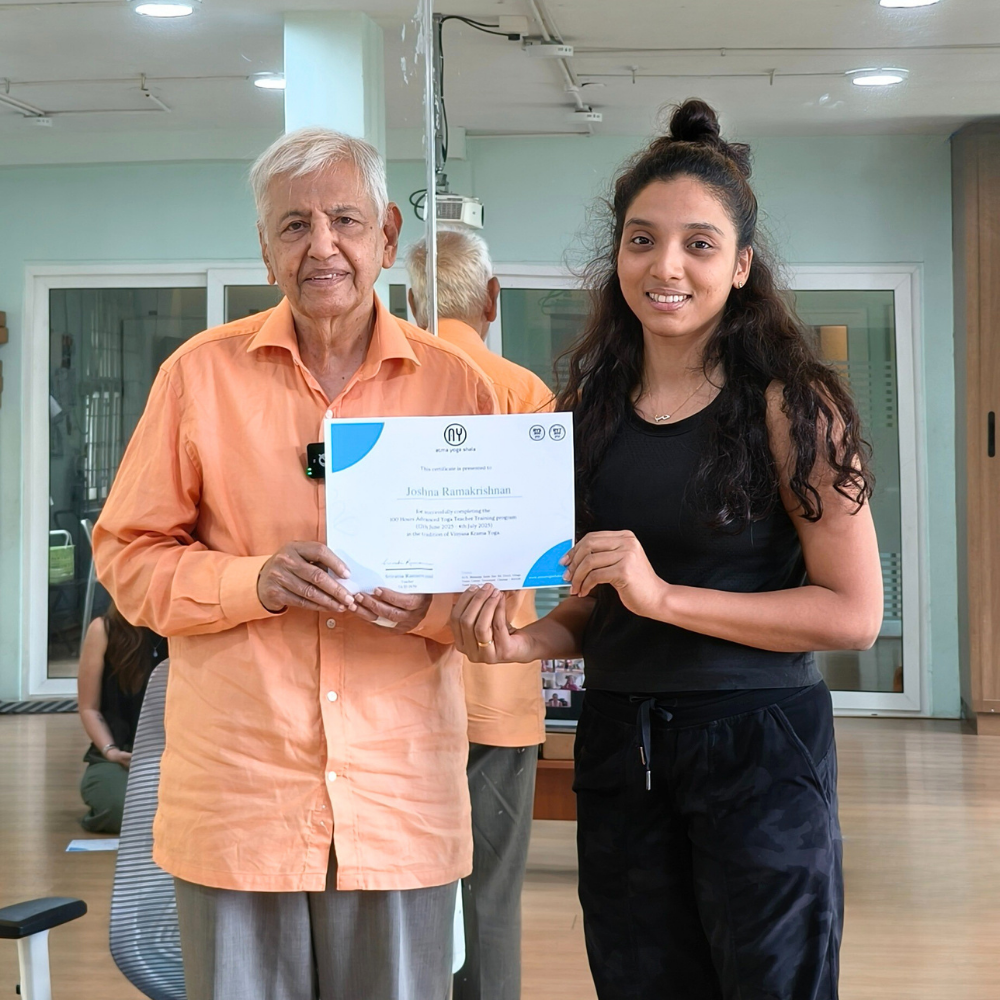
Upon successful completion, you will receive an internationally recognised RYT 200 Yoga Alliance certification, enabling you to teach yoga internationally.
At Atma Yoga Shala, teacher training is an immersive experience, not simply about learning postures or memorising a sequence that you can reproduce after graduation.
Throughout these four weeks, you will study the relationship between postures, breath, attention, philosophy, anatomy and teaching.
We want you to understand what you practise. how the body, mind and breath come together in a way it feels whole.
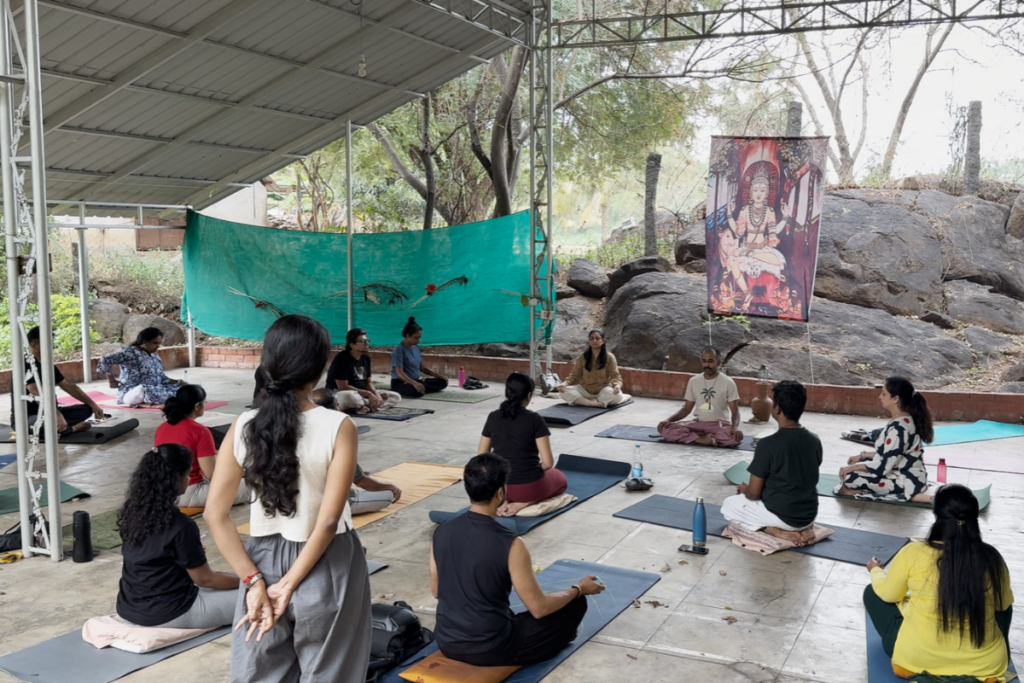
The residential format allows you to experience yoga beyond the studio environment. You will be spending time in nature with teachers and students to live a life of yoga.
It is an opportunity to immerse yourself in the study of yoga and reap the fruits of a dedicated practice.

Your Practice
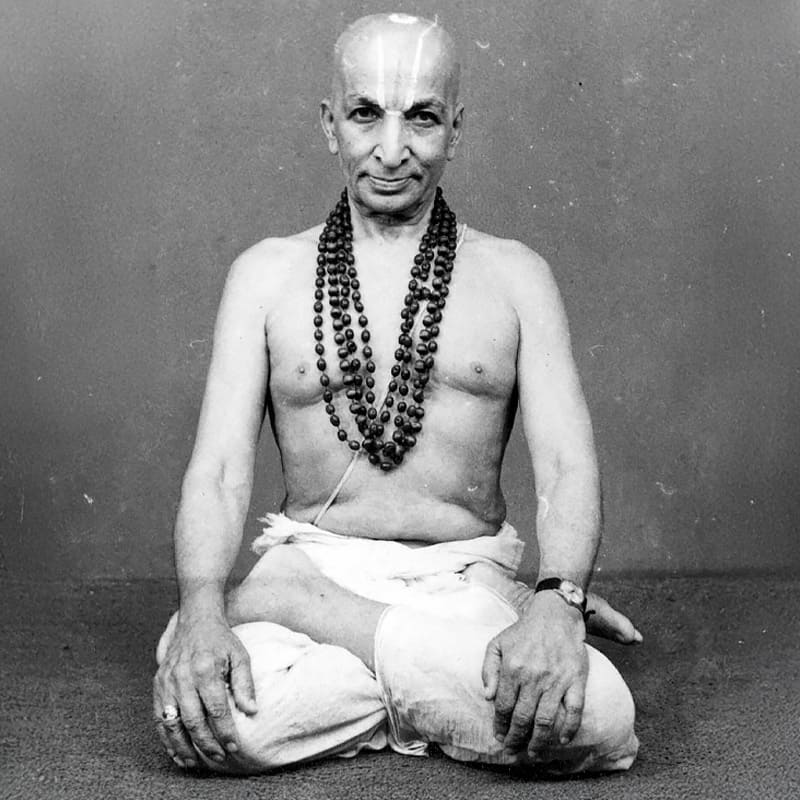
The foundation of this training is deeply influenced by the teachings of Sri T. Krishnamacharya, one of the most significant figures in the development and transmission of modern yoga.
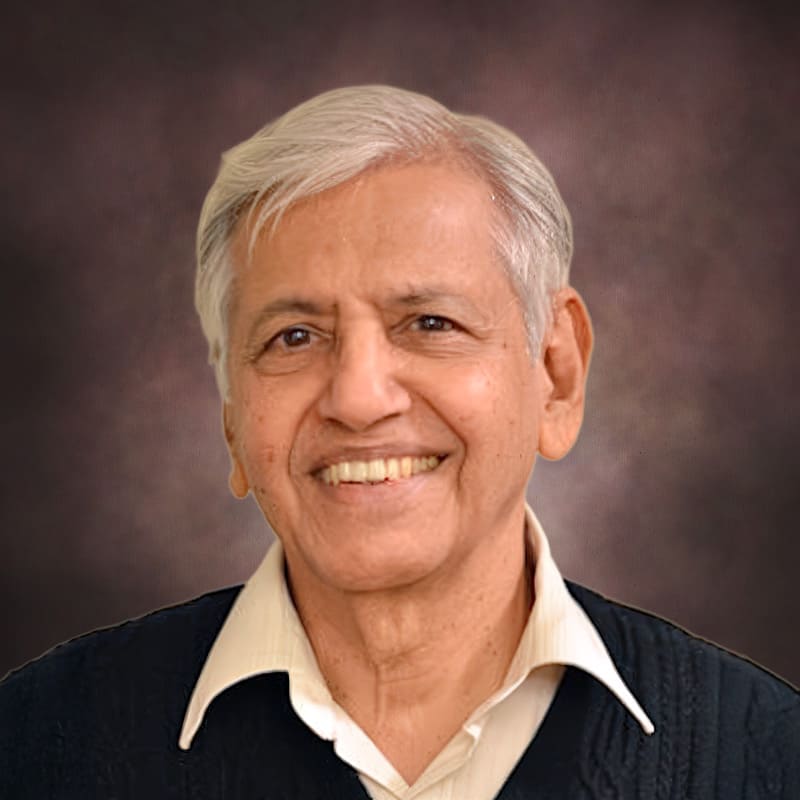
Srivatsa Ramaswami studied with Sri T. Krishnamacharya for more than three decades and has continued to teach and preserve the Vinyasa Krama approach.
Joshna Ramakrishnan has studied extensively with Srivatsa Ramaswami and brings this understanding of Vinyasa Krama into the teacher education programs at Atma Yoga Shala.
Rather than treating asana as isolated postures, Vinyasa Krama explores the intelligent progression of movement and posture coordinated with the breath.
During this training, you will begin to understand not only what to practise, but how practices can be sequenced, adapted and taught appropriately.
Joshna Ramakrishnan began practising yoga at the age of 12.
Her relationship with yoga began as an intensive physical practice and gradually developed into a lifelong exploration of asana, pranayama, philosophy, meditation and teaching.
Her journey has included study and practice across different yoga traditions, including three seasons of Ashtanga Vinyasa study in Mysore under Sharath Jois.
The foundation of her current teaching is her long-term study of Vinyasa Krama with Srivatsa Ramaswami, one of Sri T. Krishnamacharya’s longest-standing students outside his family.
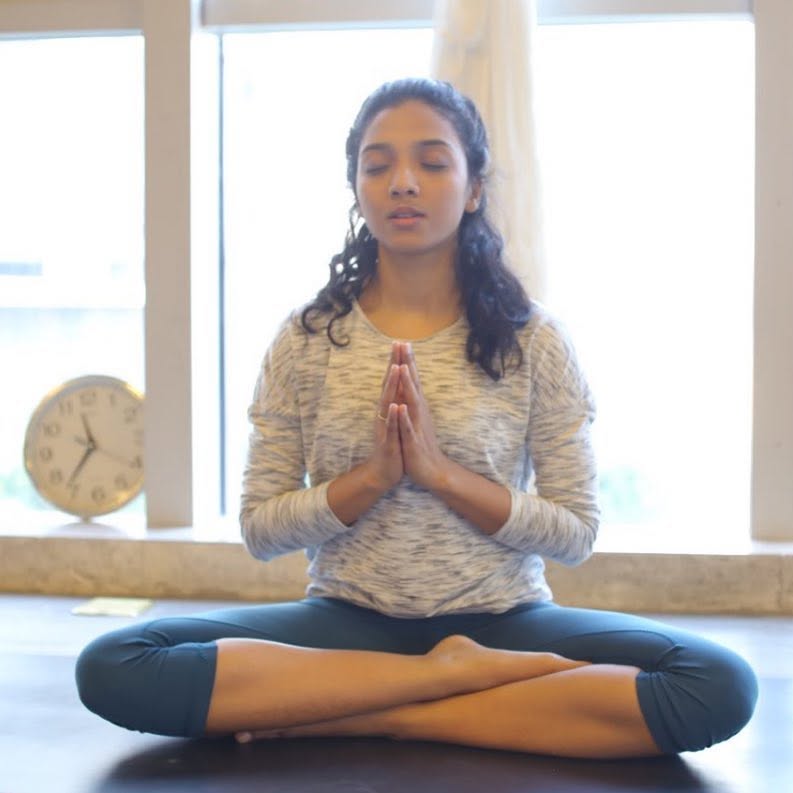
Alongside more than 25 years of yoga practice, Joshna brings an interdisciplinary educational background to her teaching. She is a Computer Engineering graduate, holds a Master’s degree in Psychology from the University of Madras and has a Diploma in Sanskrit.
Her approach to teacher education brings together traditional practice, textual study, anatomy, psychology and practical teaching experience.
She has spent years teaching internationally, including an extensive period teaching in China, Jordan, India and has helped train more than 1,500+ students to become yoga teachers.
The objective is to share this brilliant tradition to upcoming generation of teachers who can carry it forward.
Also to develop teachers who can observe, understand, adapt and teach responsibly.
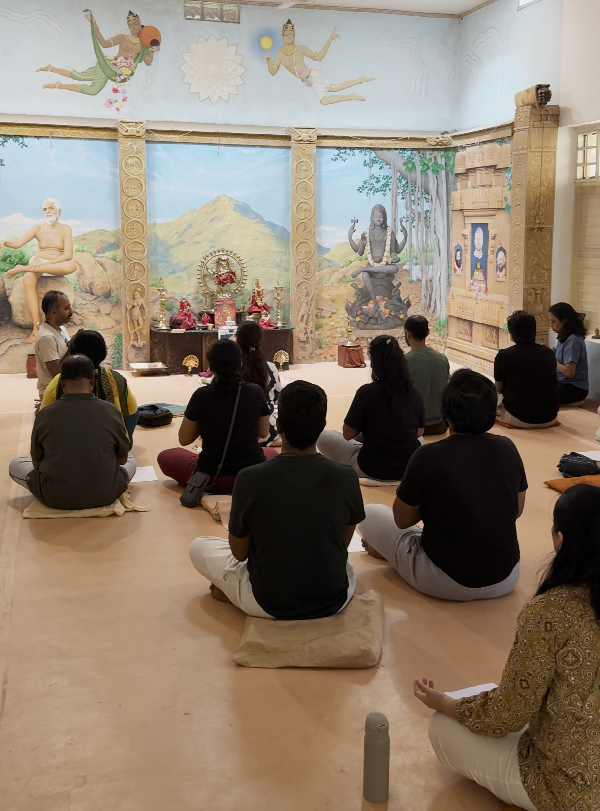
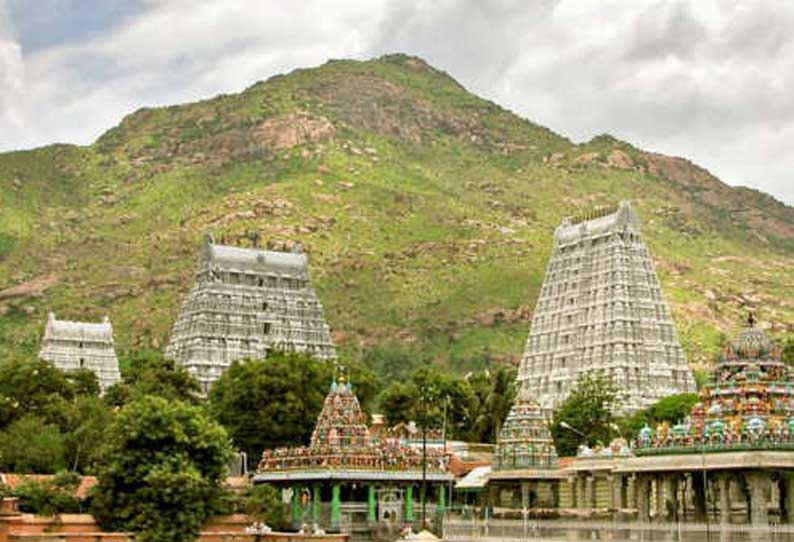
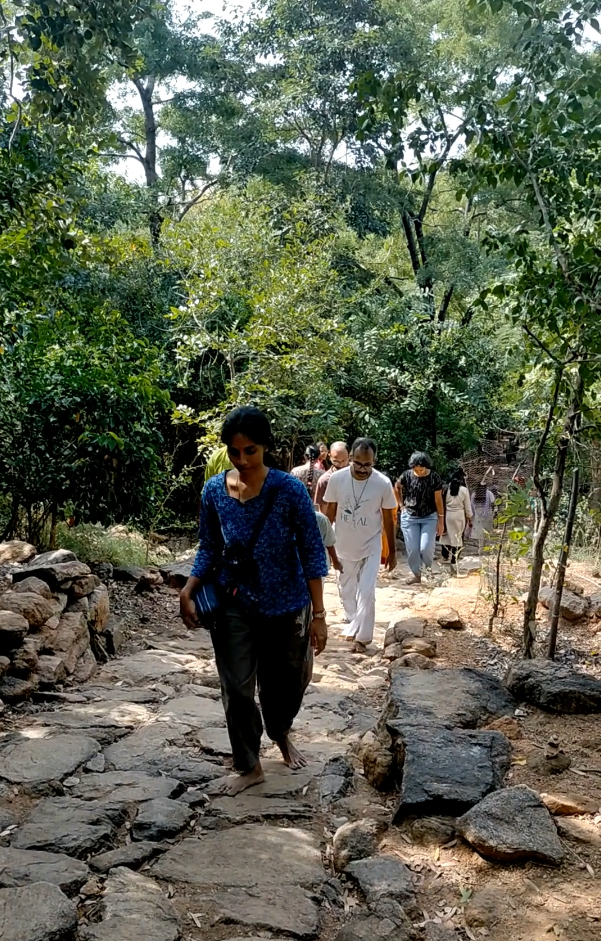
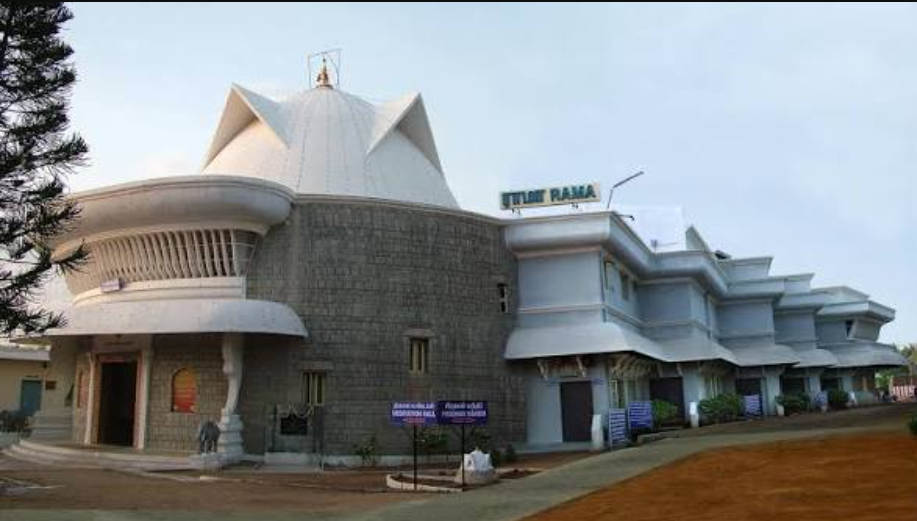
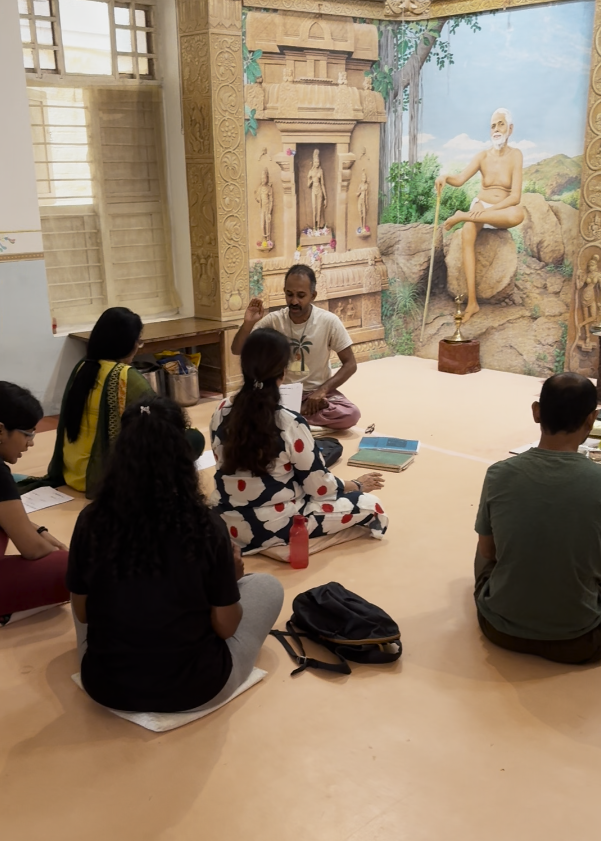
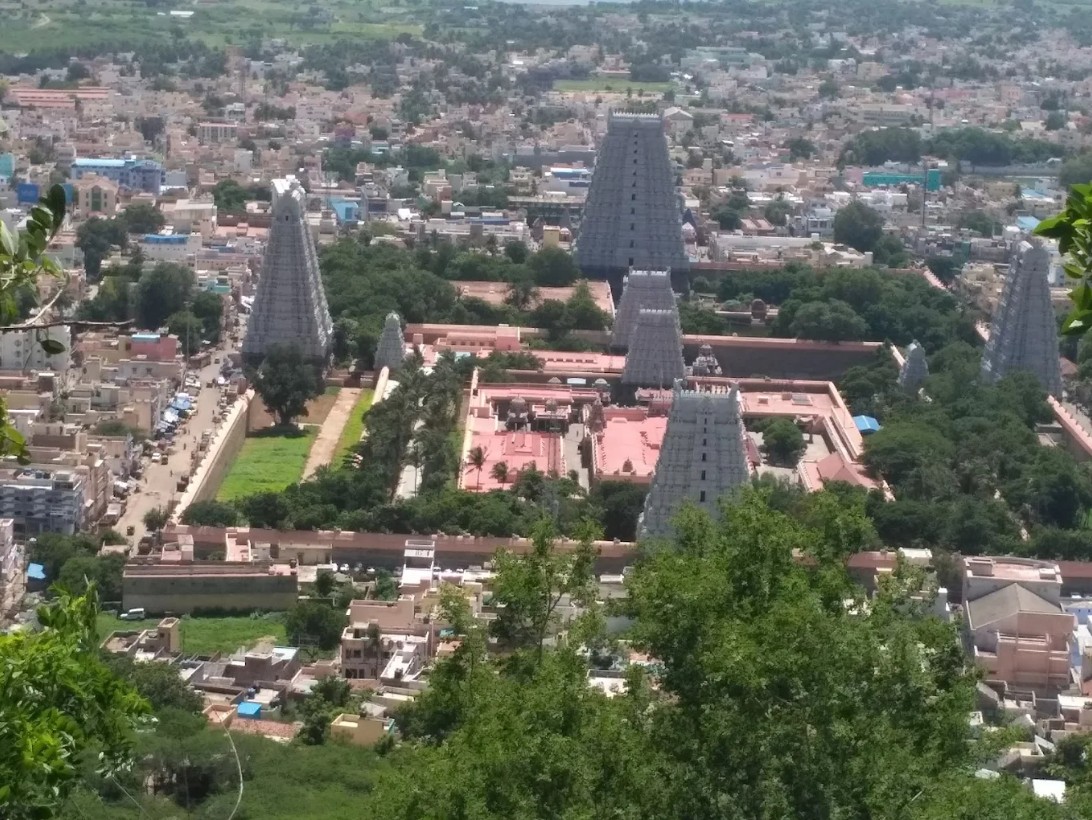
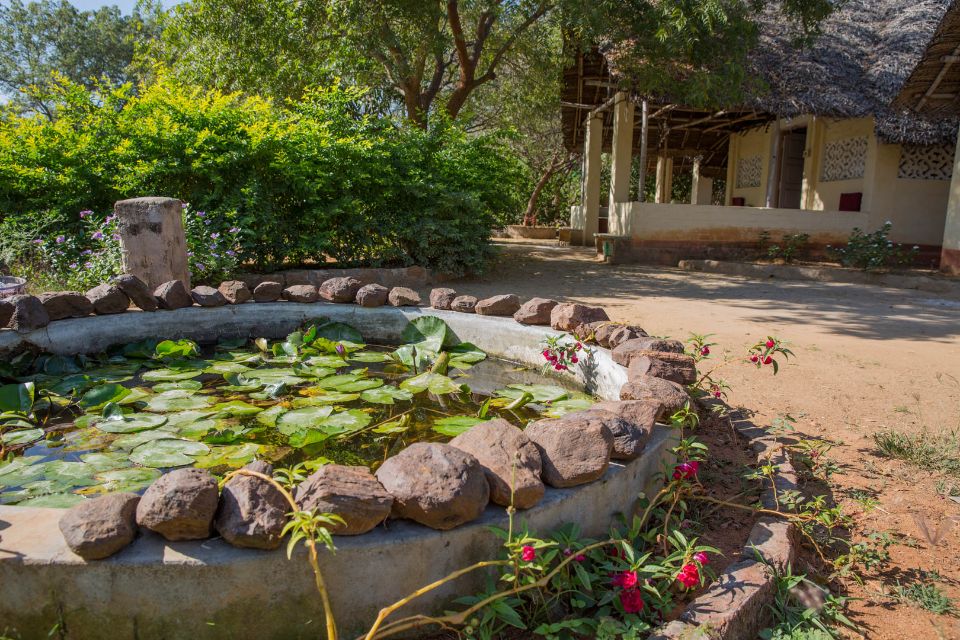
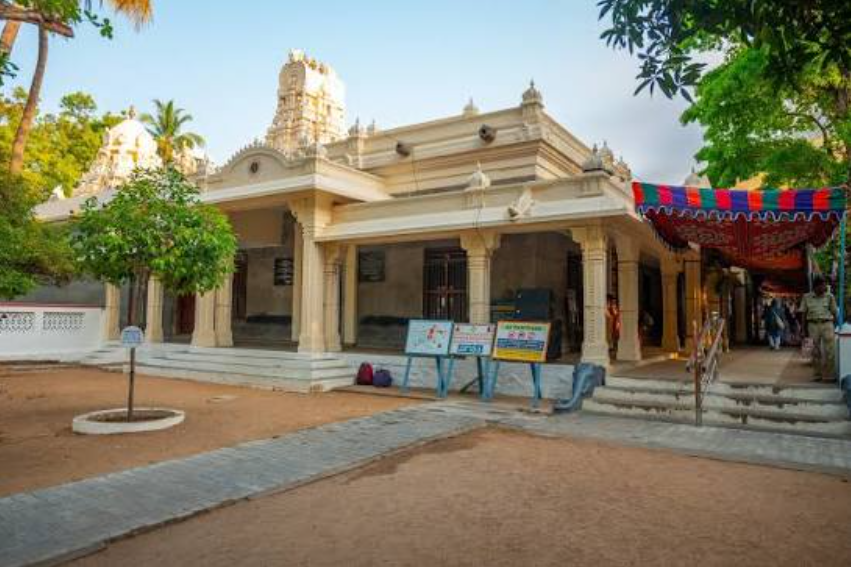
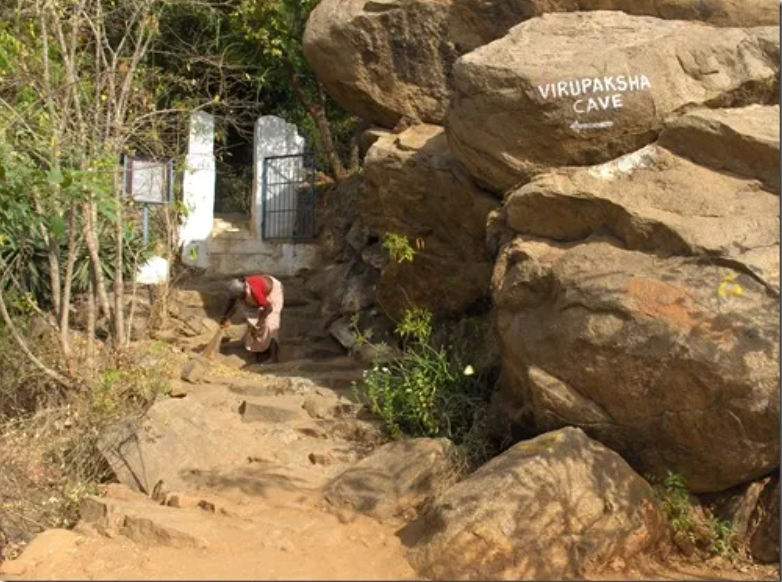
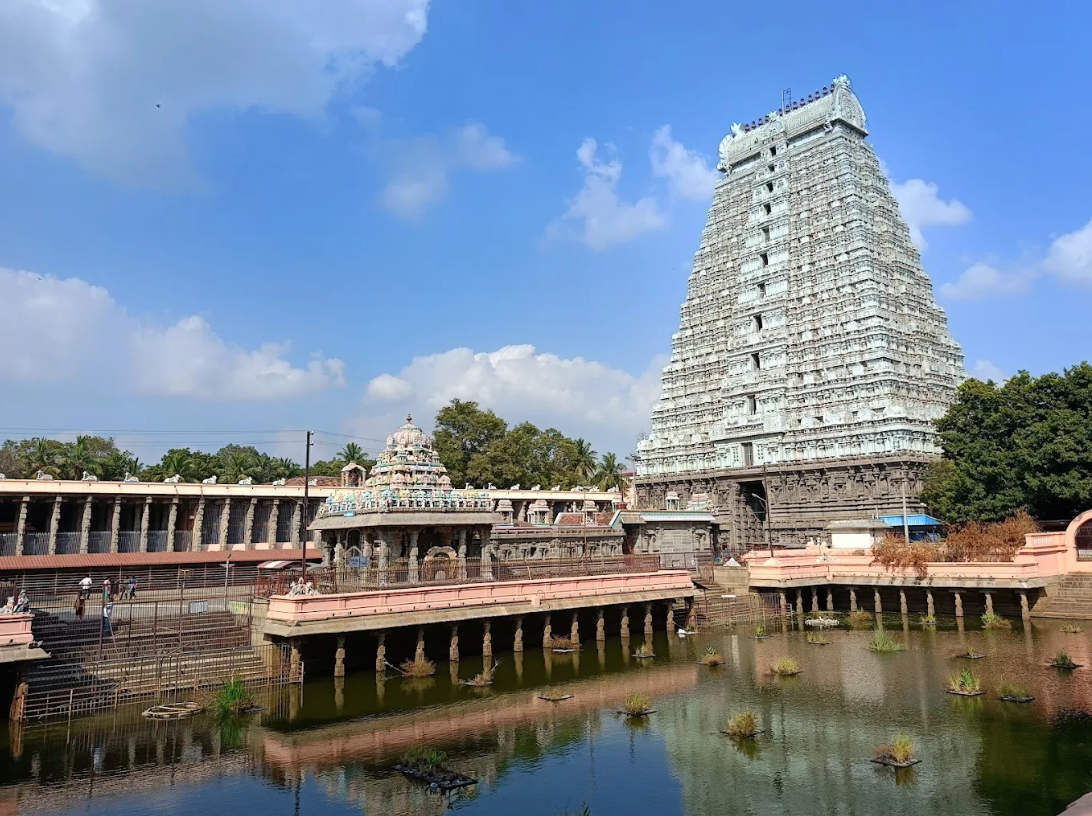
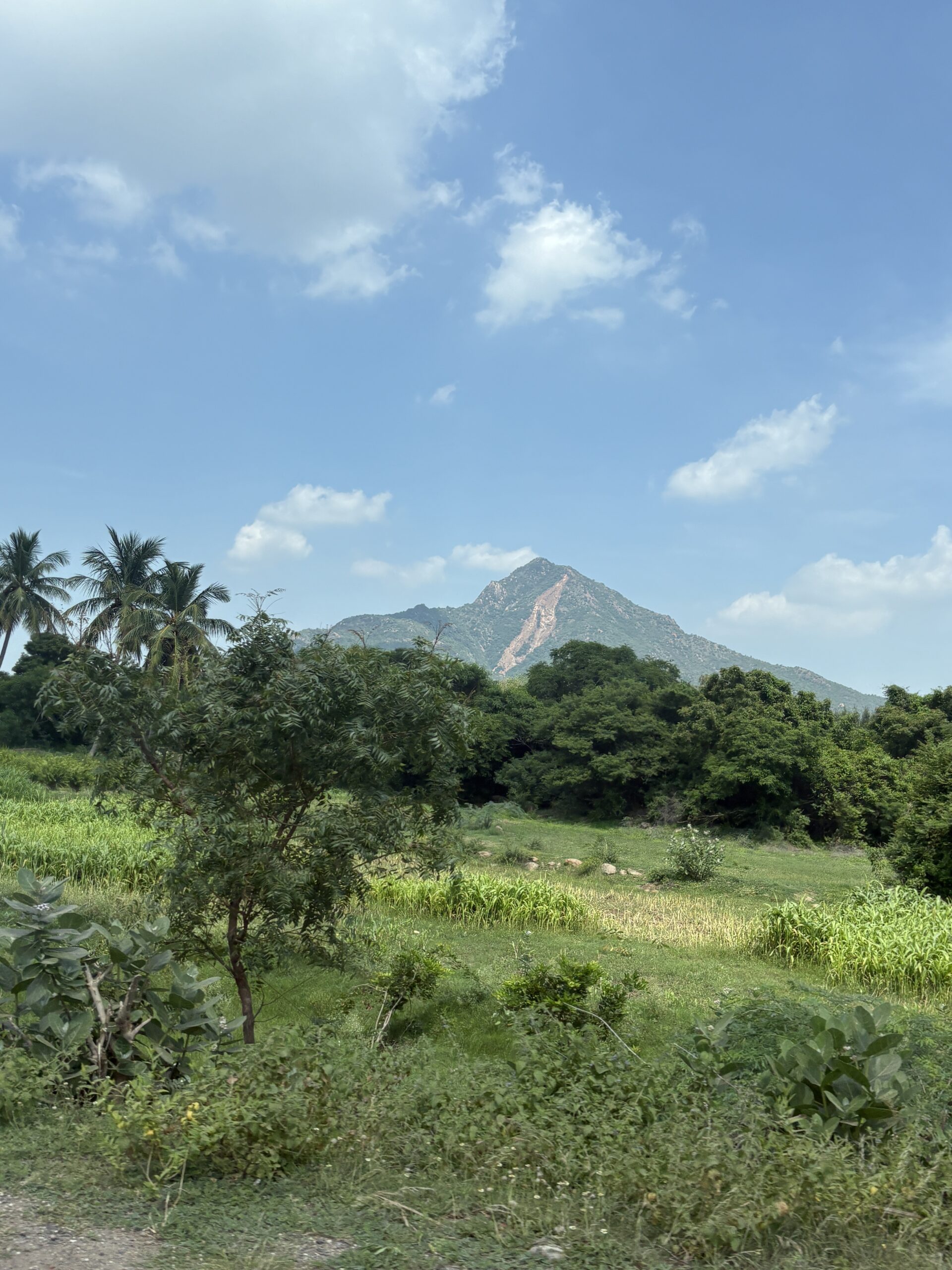
For this residential teacher training, we have chosen Thiruvannamalai in Tamil Nadu, South India intentionally. Thiruvannamalai has a long association with spiritual practice, contemplation and self-enquiry. At the heart of the town stands Arunachala, the sacred hill around which the spiritual identity of Thiruvannamalai has developed. The town is home to the historic Arunachaleswarar Temple and has become internationally known through its association with Ramana Maharshi and the tradition of self-enquiry. But we chose Thiruvannamalai for another important reason.
A residential yoga training in Thiruvannamalai is something very special than attending a course anywhere else, The energy of the mountain and the many saints (realised beings) make this an ideal space for in depth inquiry. For four weeks, you have the opportunity to soak in the energy of the great Arunachala and get all your questions answered from within. Your day becomes centred around: Practice. Breath. Study. Food. Silence. Reflection. Teaching. Rest. The space holds you while you explore yoga and yourself.
The curriculum combines physical practice with pranayama, meditation, Yoga Nidra, philosophy, chanting, anatomy and practical teaching methodology.
The asana component of the 200 Hour Yoga Teacher Training is primarily taught in the Vinyasa Krama style, with inspiration from Iyengar and Ashtanga methods.
The purpose is not merely to accumulate more postures.
You will gradually develop an understanding of how movement, posture and breath can be organised into an intelligent practice.
Pranayama forms an important part of this residential teacher training rather than being treated as an occasional addition to asana.
You will study both the theoretical foundations of pranayama and its practical application.
The intention is to begin understanding how the practices of yoga progressively move from the external to the internal.
Students will also study and experience the four-stage Yoga Nidra approach used in the Sivananda tradition.
Becoming a yoga teacher requires more than knowing how to demonstrate an asana.
During your RYT 200 teacher training, you will begin exploring the philosophical framework from which yoga practice developed.
The objective is to connect philosophical ideas with your actual experience of practice rather than studying philosophy only as theory.
Understanding anatomy helps a yoga teacher observe movement more clearly and teach with greater responsibility.
The aim is not simply to memorise anatomical terminology.
You will learn to apply anatomical knowledge when observing and teaching actual students.
Being able to perform a posture and being able to teach another person are different skills.
Throughout the course, you will gradually move from being a practitioner to understanding the responsibilities and skills involved in becoming a teacher.
Practical teaching experience is integrated into the program so that your first experience of teaching does not begin only after you graduate.
4 weeks
Thiruvannamalai, Tamil Nadu, South India
Dec 10 2026 to Jan 7 2027
(Inclusive of GST and Registration Fee)
(Inclusive of Registration Fee)
Your accommodation is arranged separately from your course tuition.
₹35,000 for the food and accomodation entire program
₹47,000 for the food and accommodation entire program
A registration fee is required to officially reserve your place in the 200 Hour Residential Yoga Teacher Training.
(Inclusive of GST)
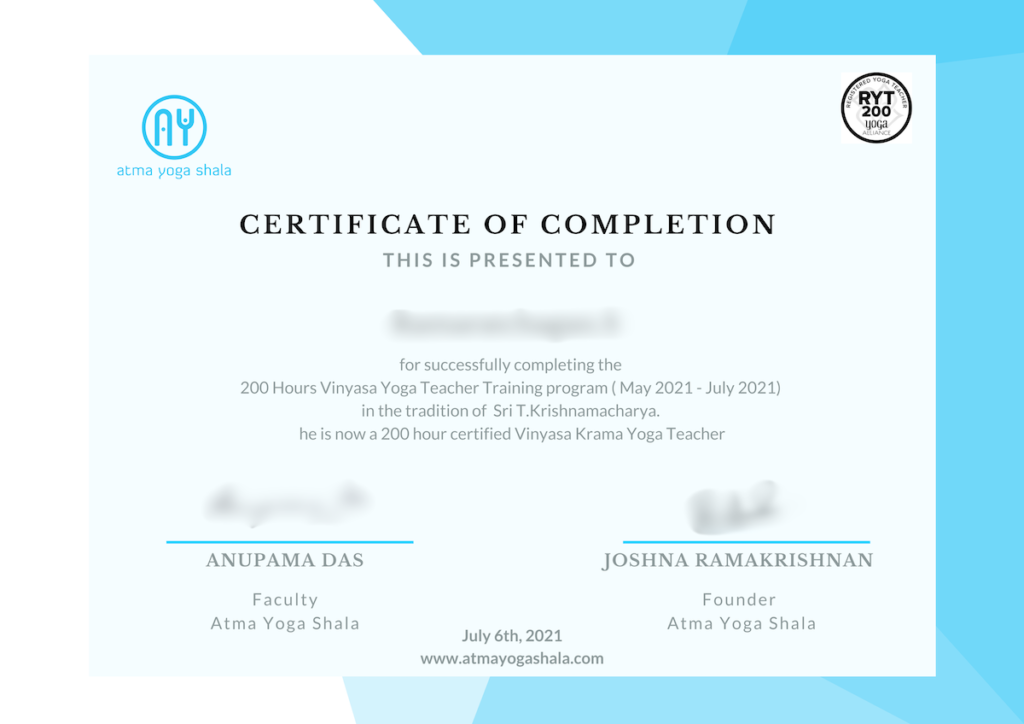
Upon successful completion, students receive an internationally recognised RYT 200 Yoga Alliance certification.
The certification marks the successful completion of the required training, practice and assessment components of the course.
Assessment is not intended simply as a final examination.
The different components allow your teachers to observe your understanding across practice, theory and actual teaching.
At the end of the program, our intention is for you to leave as:
A certificate is one outcome.
The deeper objective is to leave with a practice and understanding that continue to develop long after the four weeks are complete.
If you want to begin teaching yoga, the course provides foundational training across asana, pranayama, philosophy, anatomy and teaching methodology.
You do not have to intend to teach immediately. Many students undertake a 200 hour yoga teacher training in India because they want a structured period in which to deepen their personal practice and understanding.
You do not need previous yoga teaching experience.
The ability to perform advanced postures is not a prerequisite. You will learn modifications, functional alignment and appropriate use of props. The purpose of teacher training is not to prove what your body can do. It is to learn how to practise and teach yoga safely and intelligently.
Atma Yoga Shala has worked with yoga students from different countries and backgrounds.
We understand that deciding to travel to India for four weeks is very different from registering for a course close to home.
Alongside your training information, enrolled international students should receive clear practical guidance about arriving in India, travelling to Thiruvannamalai, accommodation and preparing for the residential program.
Yes. Upon successful completion of all assessments, you will receive the internationally recognised RYT 200 certification associated with this program, in accordance with the course’s Yoga Alliance requirements.
The 10 December 2026 – 7 January 2027 residential training takes place in Thiruvannamalai, Tamil Nadu, South India.
The program runs for four weeks, from 10 December 2026 until 7 January 2027.
No. No previous teaching experience is required. The program is designed both for aspiring teachers and dedicated practitioners who want to build a strong foundation in asana, pranayama, philosophy, anatomy and teaching methodology.
That is completely fine. You will learn modifications, prop usage and functional alignment. The emphasis of this teacher training is learning how to practise and teach safely rather than achieving advanced postures.
A residential TTC is an immersive experience in which students live, practise, study and reflect within the same period and environment. Daily life follows a structured yogic routine, allowing you to integrate what you are learning without constantly moving between training and everyday responsibilities.
Assessment includes a written examination, practical asana assessment, teaching examination, chanting viva, attendance, personal practice, observation and internship components. Certification is awarded after successful completion of the required components.
No. Accommodation is charged separately. Global South: ₹35,000. International: ₹47,000. These accommodation rates cover the entire residential program.
For Global South students, tuition is ₹68,000. For international students, tuition is US$1,018. Accommodation is additional at ₹35,000 for Global South students and ₹47,000 for international students.
Chennai International Airport.
We can arrange a taxi for you to from Airport to Thiruvannamalai . you can directly pay the Cab driver.
It would be a 3.5-hour drive from the airport to the place of Stay.
Yes. Breakfast, Lunch, Tea and Dinner
Simple Indian Vegetarian food.
Yes. The training is taught in English and is designed to welcome students travelling to India as well as students from India.
Visa requirements depend on nationality and individual circumstances. International students should check the current Government of India visa requirements applicable to them before booking travel.
Yes You can. There are many stay options if you let us know in advance we can arrange the stay in the ashram where the course happens.